TL;DR: In Hayward, CA, mold remediation typically costs between $500 for a small bathroom spot and $8,000 or more for a whole-house job involving a contaminated crawl space. Most single-room jobs land between $1,500 and $3,500. The biggest cost drivers are square footage, whether the mold has reached a crawl space or HVAC system, and how long the moisture source went unaddressed. A mold inspection with air or surface sampling typically runs $300 to $800 and should come before any remediation estimate.
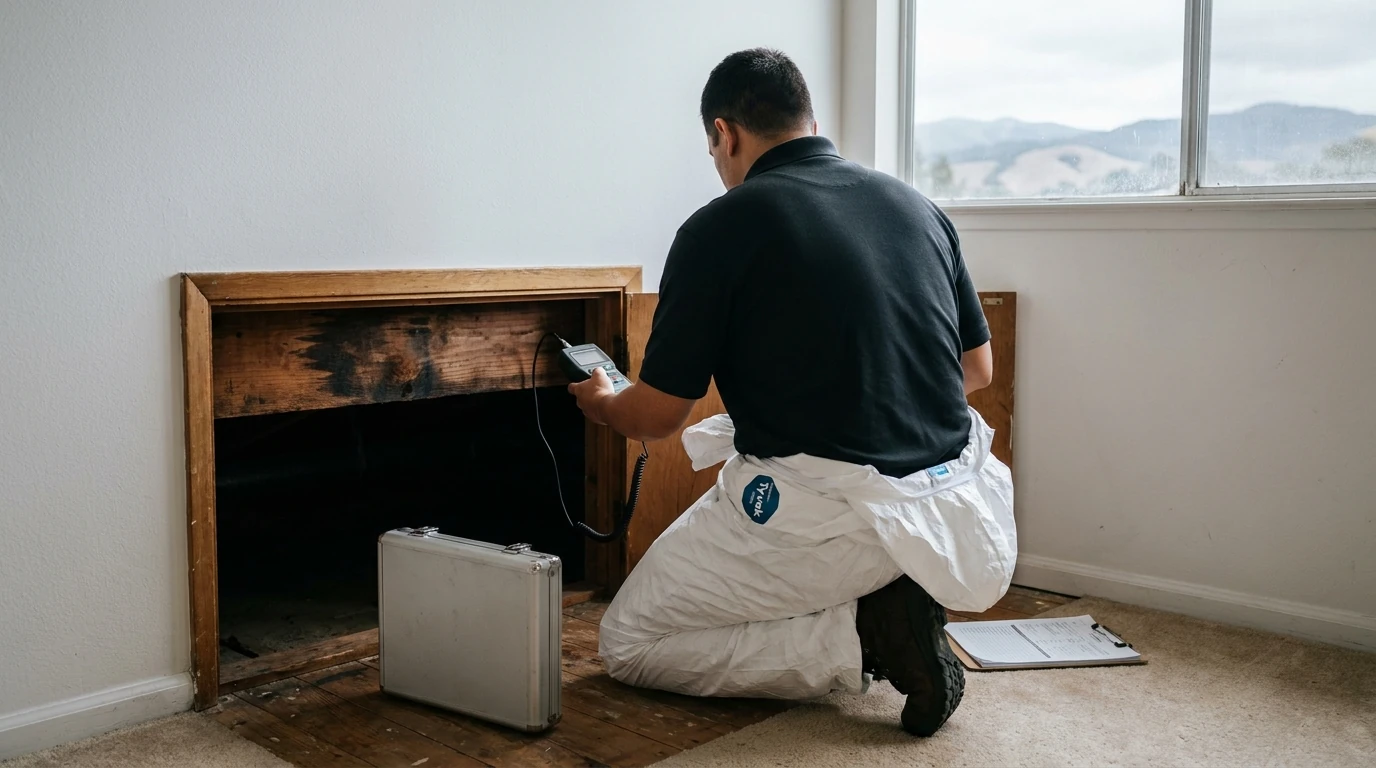
If you just pulled up the crawl space vent cover on your Mt. Eden or Hayward Highlands home and found black-speckled joists, or your home inspector flagged musty subfloor insulation before closing, you’re probably trying to figure out whether you’re looking at a $600 fix or a five-figure problem. The honest answer depends on how far the moisture has traveled and how long it’s been there. Here’s how the numbers typically break down for homes in this part of the East Bay.
How much does mold remediation cost in Hayward, CA?
Most Hayward mold jobs fall into one of five pricing tiers based on square footage and how contained the growth is. Here’s what homeowners in the area typically see:
| Scope | Typical Cost Range |
|---|---|
| Small bathroom or closet spot treatment | $500 - $1,500 |
| Single room, moderate growth (bedroom, laundry area) | $1,500 - $3,500 |
| Crawl space remediation (raised-foundation homes) | $1,500 - $6,000 |
| HVAC/duct mold decontamination | $1,000 - $3,000 |
| Whole-house or multi-room remediation | $3,500 - $8,000+ |
| Mold inspection and lab testing (pre-remediation) | $300 - $800 |
These are typical industry ranges, not quotes. Every Hayward home is different, from a 1950s Fairway Park ranch on a raised foundation to a newer Tennyson-Alquire stucco build on a slab. Dry 1 Out Restoration and Construction provides a written scope and price after a physical inspection, never a number over the phone.
What drives the price up or down in a Hayward home?
The single biggest factor is how long the moisture source went unfixed, because mold that’s been growing for six months colonizes more material than mold caught in week one. A few things specific to this part of the Bay Area tend to push costs higher:
Raised foundations and crawl spaces. A lot of housing stock around Downtown Hayward and the Highlands sits on raised foundations with vented crawl spaces. Those crawl spaces trap the marine-layer humidity that rolls in most mornings, and once insulation or subfloor sheathing gets damp, mold spreads along framing members fast. Crawl space work costs more per square foot than an open room because of the confined-space labor and the need for full containment and negative air pressure under the house.
Winter rain intrusion. Hayward’s wet season, roughly December through March, is when roof leaks, gutter overflow, and foundation seepage show up. A slow roof leak that’s been dripping into an attic since the last storm season usually means more affected material than a single burst pipe.
Original plaster and lath. Older homes near Cal State East Bay and in the Mt. Eden area sometimes still have original lath-and-plaster walls. These can’t always be cut out in sections the way drywall can, which can change labor time and disposal costs.
Square footage and material type. Drywall, insulation, and carpet padding are typically removed and replaced (porous materials don’t clean up reliably). Framing, concrete, and other non-porous surfaces can often be cleaned and treated in place, which costs less than demolition and rebuild.
Does homeowners insurance cover mold remediation?
Homeowners insurance in California typically covers mold remediation only when the mold resulted from a sudden, covered event, like a burst supply line, not from gradual leaks or ongoing humidity. A slow roof leak that went unnoticed for months is the scenario insurers most often deny, since most policies treat gradual water intrusion as a maintenance issue rather than a covered loss.
If your mold traces back to a specific, documented event (a washing machine hose failure, a pipe break during a cold snap), start a claim quickly and keep photos of the source and the damage timeline. Many California homeowners policies also cap mold-specific coverage at a set dollar amount, often $5,000 to $10,000, separate from the main dwelling coverage, even when the claim is approved. Dry 1 Out documents moisture readings, photos, and scope of work as the job happens, which is the paperwork adjusters typically request.
For general guidance on moisture control and when mold becomes a health and property issue, the EPA’s mold and moisture guide is a useful starting reference.
What happens during a professional mold remediation job?
A licensed remediation job follows a set sequence, built around the IICRC S520 standard for mold remediation, regardless of job size:
- Inspection and testing. A technician checks moisture levels, identifies the source, and may collect air or surface samples for lab analysis. See our mold inspection and testing page for what that process involves on its own.
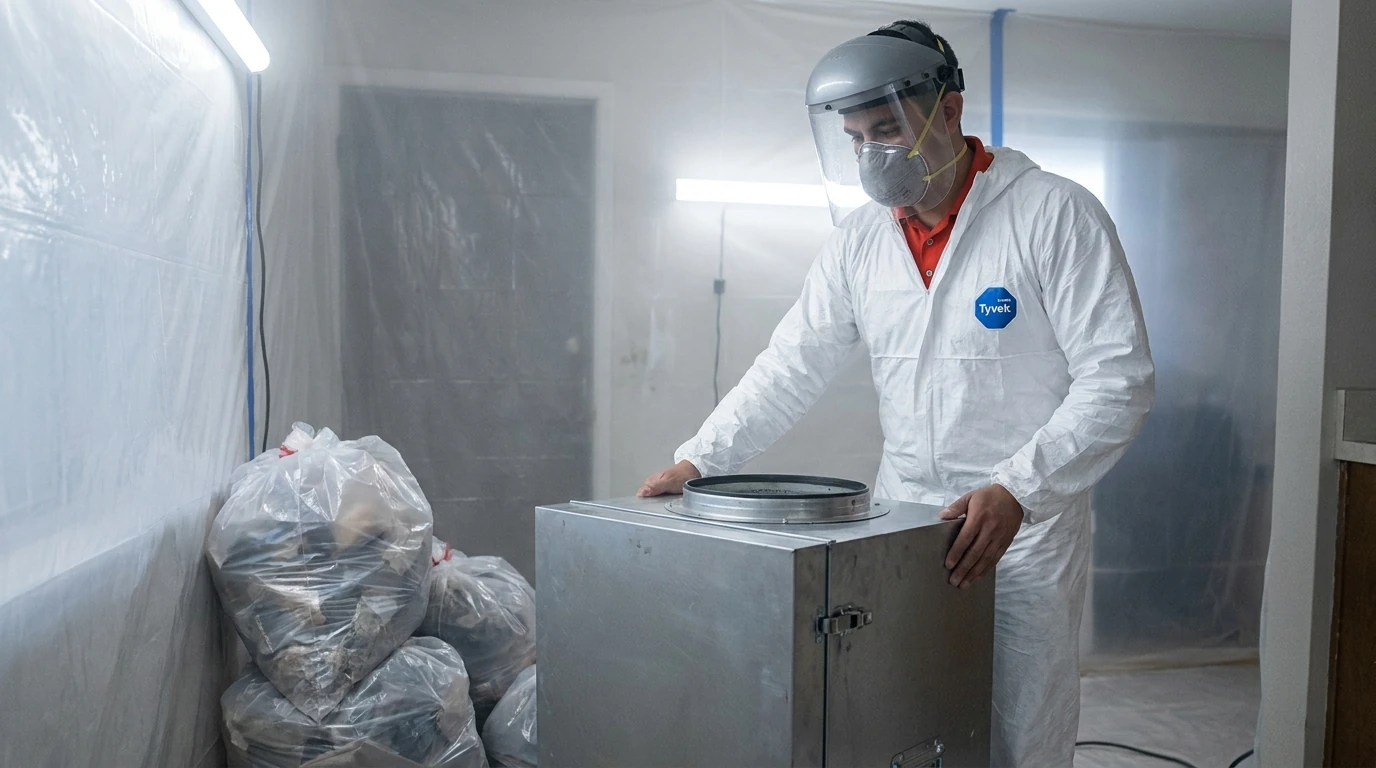
- Containment setup. Poly sheeting and negative air pressure seal off the work area so spores don’t spread to the rest of the house during removal.
- Material removal. Porous materials beyond cleaning (drywall, insulation, carpet) are bagged and removed under containment.
- HEPA cleaning. Remaining surfaces get HEPA vacuuming and antimicrobial treatment; HEPA air scrubbers run throughout the space.
- Clearance verification. A post-remediation visual check, and sometimes a second round of testing, confirms the area is clean before containment comes down.
- Source repair. The moisture problem itself, whether it’s a crawl space vapor barrier, a roof leak, or a failed gasket, gets fixed so the mold doesn’t return.
If you’ve already confirmed you have an active mold problem, our guide on how to test for mold walks through DIY kits versus a professional inspection, and how quickly mold grows after water damage explains the timeline that often determines how big the job gets.
What should you do next?
Start with an inspection, not a guess. A same-visit moisture and visual assessment tells you whether you’re looking at a $600 spot treatment or a crawl space job, before anyone commits to a repair plan.
Dry 1 Out Restoration and Construction serves Hayward from Downtown and the Highlands down to the shoreline neighborhoods, and provides a written scope before any work begins.
If the mold traces back to a leak or flood event, read what the first 24 hours after water intrusion should look like before mold has a chance to take hold.
About Dry 1 Out Restoration and Construction
Dry 1 Out Restoration and Construction is an IICRC Certified Firm (AMRT for mold, WRT and ASD for water) holding CSLB license #993442, serving Vista, CA and the greater Bay Area including Hayward. Their crews handle mold inspection and testing, mold remediation, water damage restoration, and related reconstruction work. This guide was prepared with the Dry 1 Out team for homeowners researching mold remediation costs before calling for an estimate.
Call Dry 1 Out at (888) 379-1688 to schedule a mold inspection for a Hayward property.