TL;DR: Homeowners insurance typically covers water damage that happens suddenly and accidentally, such as a burst pipe, a failed water heater, or an overflowing washing machine. It typically denies damage from gradual leaks, poor maintenance, or flooding, which requires separate flood insurance. The deciding factor is almost always how long the water was leaking and whether a reasonable homeowner could have caught it sooner.
If a pipe let go behind your washing machine last night and you’re standing in two inches of water wondering whether your insurer is going to pay for this, the honest answer is: it depends on how the water got there, not how much damage it did. Insurance adjusters aren’t grading you on the mess. They’re grading you on the cause. A pipe that burst without warning is a different claim than a slow drip under the sink that finally rotted through the cabinet floor, even if the second one looks less dramatic on the surface.
Does Homeowners Insurance Cover Water Damage?
Yes, but only when the water damage is classified as “sudden and accidental,” which is standard policy language for an event you couldn’t reasonably have prevented or seen coming. A burst supply line, a water heater that fails without warning, a washing machine hose that blows out mid-cycle: these are the textbook covered scenarios.
What a standard HO-3 homeowners policy does NOT cover, as a near-universal rule, is damage from floodwater (that requires separate flood insurance through the National Flood Insurance Program or a private flood policy) and damage from gradual seepage, long-term leaks, or deferred maintenance. The Insurance Information Institute lays out this sudden-versus-gradual distinction as one of the most common sources of claim disputes in the country, and it’s the single most important thing to understand before you call your insurer.
Most policies also distinguish between the water damage itself and the cost to fix whatever caused it. Insurance generally pays to dry out and repair the damaged structure and contents. It does not usually pay to replace the pipe, water heater, or appliance that failed, unless your policy has a specific endorsement for that.
What’s the Difference Between a Covered Leak and a Denied Gradual Leak?
The difference comes down to duration and visibility: a leak that happened in minutes or hours is usually covered, while a leak that’s been running for weeks or months, especially one that left visible staining, warping, or mold before anyone addressed it, is usually denied as a maintenance issue.
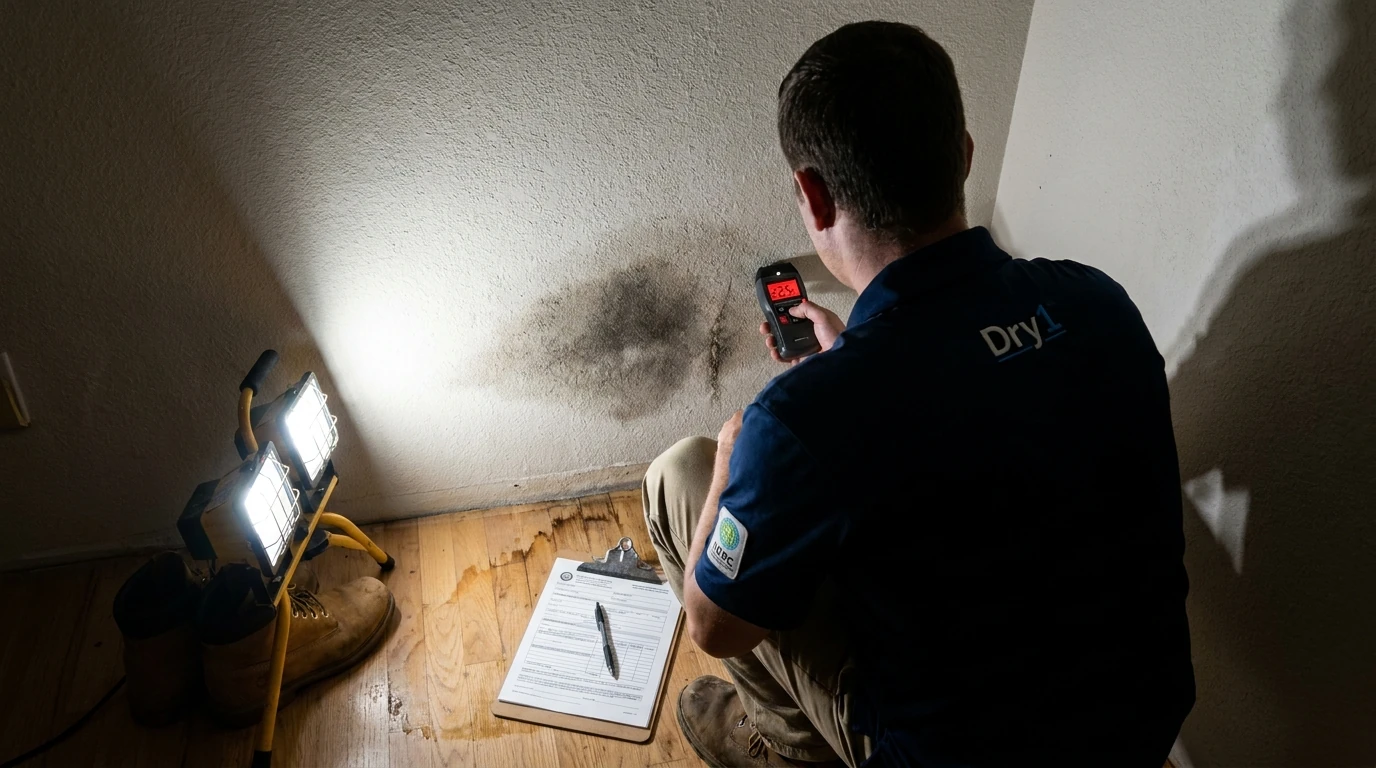
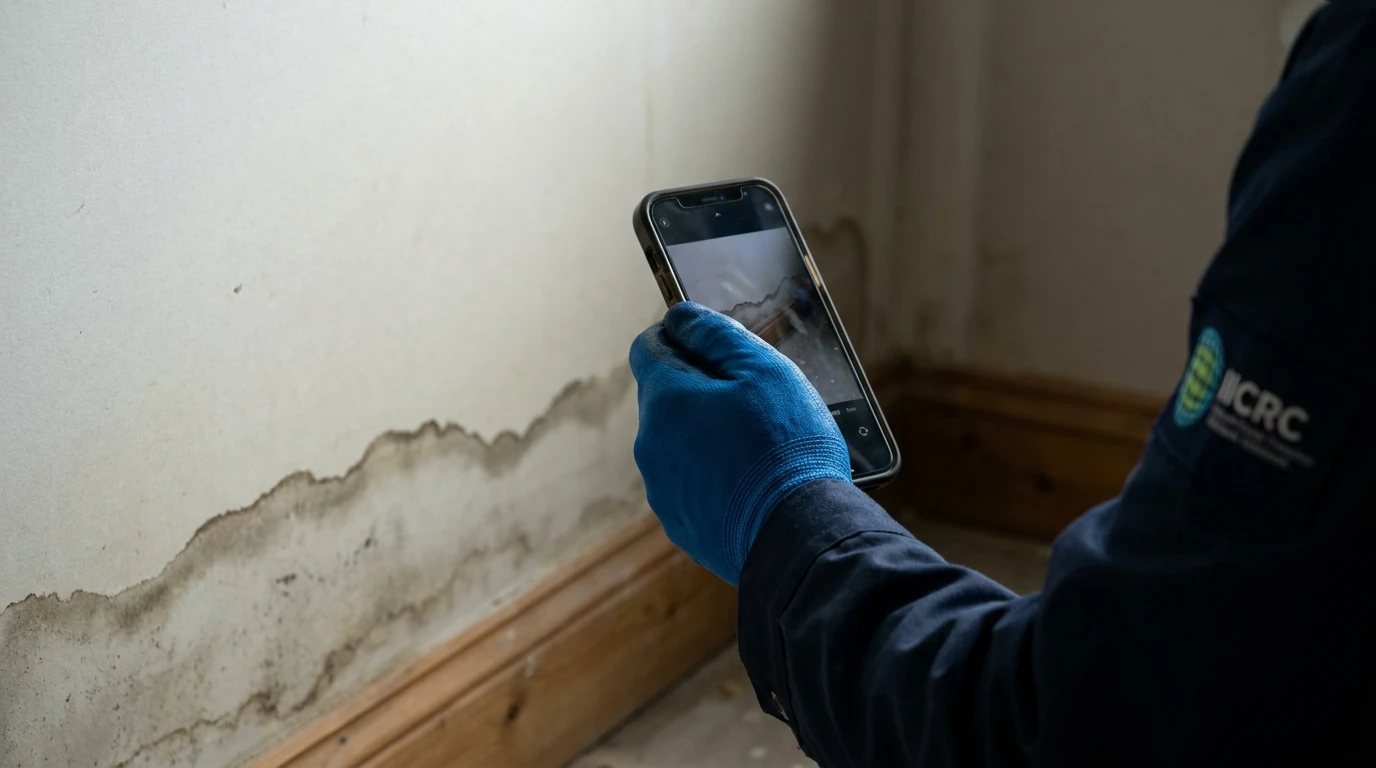
Adjusters look for physical evidence of how long water was present. Fresh water stains with sharp edges suggest a recent, sudden event. Rings of discoloration, layered staining, soft or delaminated subfloor, and active mold growth all suggest the leak had been going on long enough that a homeowner should have noticed. That’s why documentation matters so much in the first hours after you find water: photograph everything before you touch it, note the date and time you discovered it, and if you can identify the source (a supply line, a connection fitting, an appliance hose), photograph that too.
This is also where Category 3 water damage becomes relevant. Category 3 water, also called black water, includes sewage backups, water that’s been sitting long enough to grow bacteria, and most groundwater or storm intrusion. It’s treated differently by both insurers and restoration crews because of the health risk, and coverage often depends on whether the backup originated from your own plumbing (sometimes covered, sometimes requiring a separate sewer backup endorsement) or from a municipal system or flooding event (usually excluded from a standard policy).
What Should You Document Before the Adjuster Arrives?
Document the source, the timeline, and the damage, in that order, because insurers weigh all three when they decide whether a claim is sudden-and-accidental or a maintenance denial.
- Photograph the source first, if it’s safe to do so: the burst fitting, the failed hose, the water heater’s base. This is your strongest evidence that the event was sudden.
- Shut off the water at the main or the fixture valve, and photograph the shutoff itself as proof you acted quickly.
- Photograph every affected room before you move anything, including baseboards, flooring, and the underside of cabinets if accessible.
- Keep damaged materials (a section of wet drywall, the failed hose) until the adjuster or your restoration company has documented them. Don’t throw evidence away before it’s been seen.
- Write down the discovery time and date while it’s fresh, along with anything you remember about when you last used or checked that area.
This is also the point where calling a restoration company before you call your insurer often works in your favor. Our crews at Dry 1 Out Restoration and Construction document moisture readings room by room with a penetrating moisture meter, which creates a dated, third-party record that supports your claim regardless of who ends up paying for it. If the loss happened in California, the California Department of Insurance consumer guide is a useful reference for your rights as a policyholder and what your insurer is required to do once you’ve filed.
What Should You Do Right After Water Damage in Your House?
Stop the water, document the scene, and start drying within the first 24 to 48 hours, because that window is what determines whether this stays a water damage job or turns into a mold remediation job as well.
Once the water source is shut off and photographed, move wet furniture and rugs off the affected flooring, pull back any standing water with towels or a wet-dry vacuum if you have one, and run fans or open windows if the weather allows. Don’t run a dehumidifier in a room with standing water until the bulk water is gone; it won’t keep up and you’ll waste time. If drywall, insulation, or subfloor has absorbed water, professional extraction and structural drying, following the IICRC S500 standard for water damage restoration, is usually faster and more reliable than DIY fans and a box dehumidifier from the hardware store. Our guide on what to do in the first 24 hours after water damage walks through the full sequence if you want more detail, and our burst pipe emergency checklist is worth bookmarking before you ever need it.
If you’re not sure whether what you’re looking at is a covered sudden event or a longer-running leak, a documented moisture assessment from a restoration company gives you something concrete to bring to your adjuster, rather than a guess.
Water damage claims get decided on specifics: when it started, how fast you responded, and what the moisture readings actually show. Getting that documentation right in the first day matters more than almost anything else you’ll do during the claim.
About Dry 1 Out Restoration and Construction
Dry 1 Out Restoration and Construction is an IICRC Certified Firm serving Vista, CA and surrounding Southern and Northern California communities, licensed (#993442) and insured, with 24/7 emergency response. Their technicians hold IICRC certifications in water restoration (WRT) and structural drying (ASD), and their crews handle water damage restoration, mold remediation, fire damage restoration, storm damage restoration, and related cleanup and reconstruction services across the areas they serve.